Introduction
India has one of the highest numbers of road accidents in the world. The increasing number of vehicles, poor road infrastructure, lack of awareness, and negligence contribute significantly to this issue. Despite government initiatives and strict traffic regulations, road accidents continue to claim thousands of lives each year. However, advancements in medical assistance, road safety programs, and improved emergency response systems have led to an increase in the survival rate of accident victims.
This blog will discuss the causes, statistics, preventive measures, and the ratio of lives saved in road accidents in India, along with the role of various agencies in reducing fatalities.
Road Accident Statistics in India
According to the National Crime Records Bureau (NCRB) and the Ministry of Road Transport and Highways (MoRTH), India reports over 1.5 lakh deaths due to road accidents every year. The key statistics include:
- Total accidents in 2025: Approx. 4.5 lakh
- Fatal accidents: 1.5 lakh
- Injured persons: Over 4 lakh
- Death rate per day: Around 400 fatalities
Despite numerous awareness campaigns, the rate of road accidents has been rising. The major causes of these accidents include overspeeding, drunken driving, reckless driving, and failure to use protective gear like helmets and seat belts.
Major Causes of Road Accidents
- Over Speeding
- Over 60% of road accidents in India are caused due to speeding.
- High-speed collisions increase the severity of injuries and fatalities.
- Drunk Driving
- Alcohol consumption impairs judgment and reaction time.
- Nearly 10% of fatal road accidents are linked to drunk driving.
- Distracted Driving
- Mobile phone usage is a significant distraction leading to accidents.
- Texting while driving reduces reaction time by up to 30%.
- Poor Road Conditions
- Potholes, uneven roads, and lack of proper signage contribute to accidents.
- Rural areas with poorly maintained roads witness more accidents.
- Lack of Traffic Rule Compliance
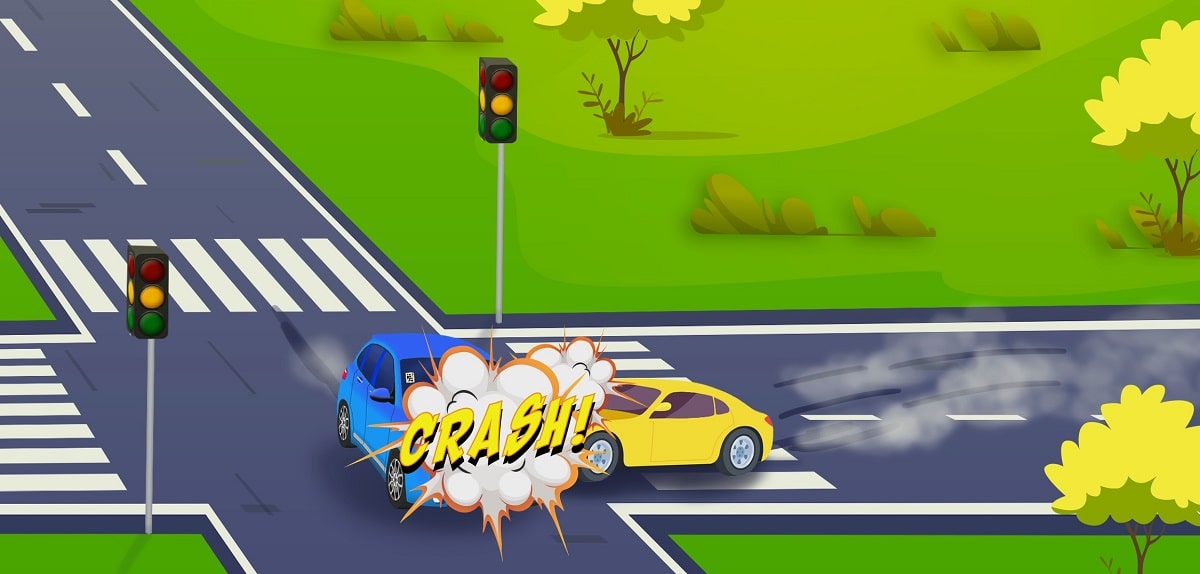
- Running red lights, wrong-side driving, and overtaking from unsafe positions cause severe crashes.
- Non-adherence to traffic signals increases accident rates.
- Non-Usage of Helmets and Seatbelts
- More than 40% of two-wheeler fatalities occur due to the absence of helmets.
- Seatbelts reduce the risk of death in car crashes by nearly 45%.
Measures to Reduce Road Accidents
- Stringent Traffic Rules and Enforcement
- Implementation of heavy fines and penalties under the Motor Vehicles Act.
- Increased surveillance through speed cameras and breath analyzers.
- Road Infrastructure Improvements
- Widening of roads, proper lighting, and placement of warning signs.
- Installation of barriers and guardrails at accident-prone zones.
- Public Awareness Campaigns
- Programs like ‘Sadak Suraksha Jeevan Raksha’ by the Indian government.
- Road safety education in schools and workplaces.
- Technology and Vehicle Safety Enhancements
- Introduction of Advanced Driver Assistance Systems (ADAS).
- Compulsory airbags and anti-lock braking systems (ABS) in vehicles.
- Emergency Response and Medical Assistance
- Quick ambulance services like the ‘108 Emergency Response’ system.
- Golden Hour Treatment: Immediate medical attention within the first hour can increase survival chances by 70%.
Ratio of Lives Saved in Road Accidents
While the number of road accidents in India is alarmingly high, the survival rate has been gradually improving due to advancements in emergency medical services, awareness, and technology.
Key Statistics on Lives Saved:
- 2015: 20% of road accident victims received timely medical aid.
- 2020: 35% of accident victims were saved due to improved trauma care.
- 2025: The survival rate reached approximately 45% due to better emergency response and public participation.
Factors Contributing to Increased Survival Rate:
- Rapid Response Services:
- The introduction of highway patrolling and ambulance services has played a crucial role.
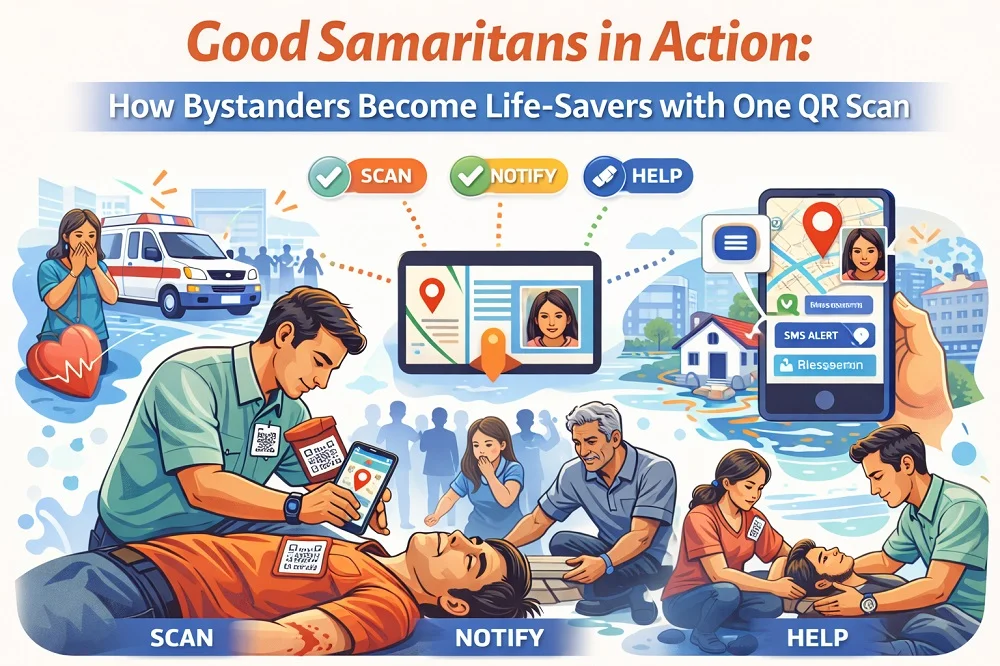
- Good Samaritans Law:
- Encourages bystanders to help accident victims without fear of legal consequences.
- Trauma Care Centers:
- The establishment of dedicated trauma care units along highways.
- Technology Integration:
- GPS-enabled emergency response systems help locate accident sites faster.
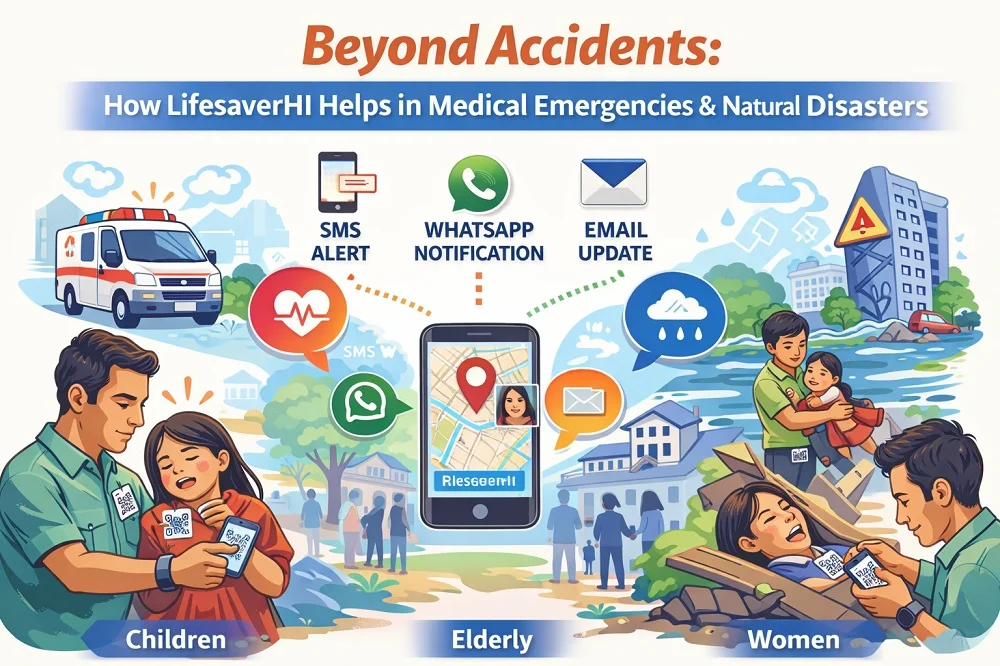
- Emergency App that have riders family details.
Role of Government and Private Initiatives
- Government Schemes
- National Road Safety Policy: Aims to reduce road fatalities by 50% by 2030.
- Implementation of Intelligent Traffic Management Systems (ITMS).
- Private Organizations & NGOs
- Organizations like SaveLIFE Foundation work towards road safety advocacy.
- CSR initiatives by automobile companies for helmet and seatbelt awareness.
- Collaboration with International Bodies
- The WHO and World Bank are assisting India in road safety programs.
- Partnerships with global road safety networks for research and training.
Future Strategies to Reduce Road Fatalities
- Artificial Intelligence and Big Data Analytics
- AI-based traffic management can predict accident-prone areas.
- Real-time monitoring through automated systems.
- Smart Vehicles and Infrastructure
- Development of smart roads with sensors and automated emergency response.
- Introduction of self-driving vehicles for safer transportation.
- Stronger Legal Framework
- Implementation of stricter laws for repeat offenders.
- Mandatory defensive driving training for all drivers.
- Public-Private Partnerships
- Joint ventures between government bodies and private firms to improve road safety.
- Funding for better emergency care facilities in accident-prone zones.
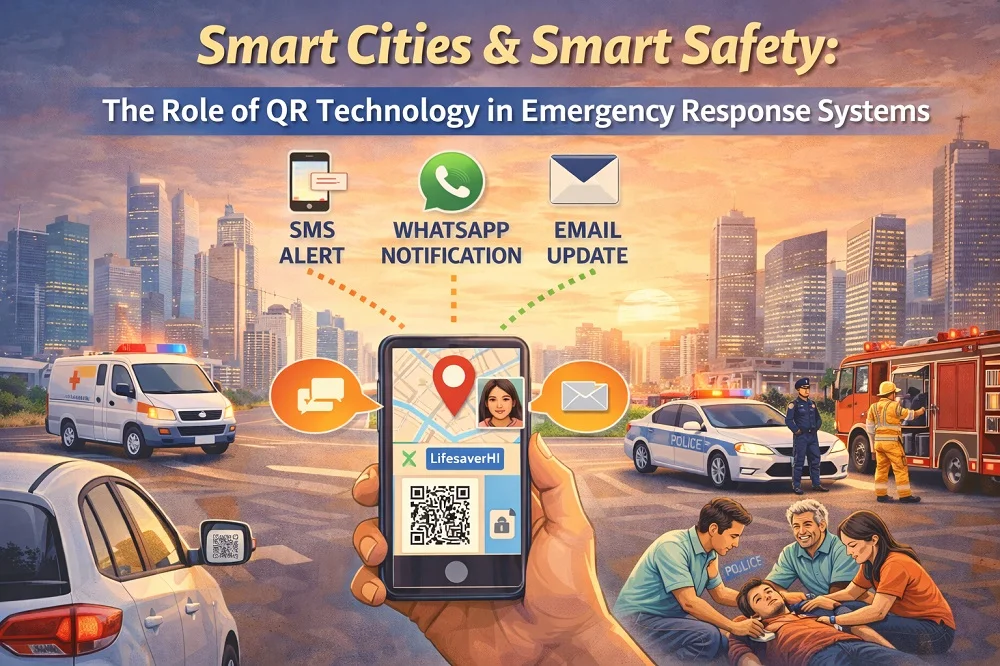
- A QR based system
- A QR scanner-based system that have riders’ family details for emergency use, that can be accessed by Life Saver.
Conclusion
Road accidents in India remain a significant concern, causing economic loss and human suffering. However, the increasing survival rates indicate progress in emergency response and public awareness. With continued efforts from the government, private sectors, and individuals, India can aim for a drastic reduction in road accident fatalities.
It is crucial for every citizen to follow traffic rules, be aware of road safety measures, and support initiatives that aim to save lives. The collective responsibility of society will pave the way for safer roads and a more secure future for all.